
Beyond Medication: Natural Ways to Support Brain Health with Parkinson’s
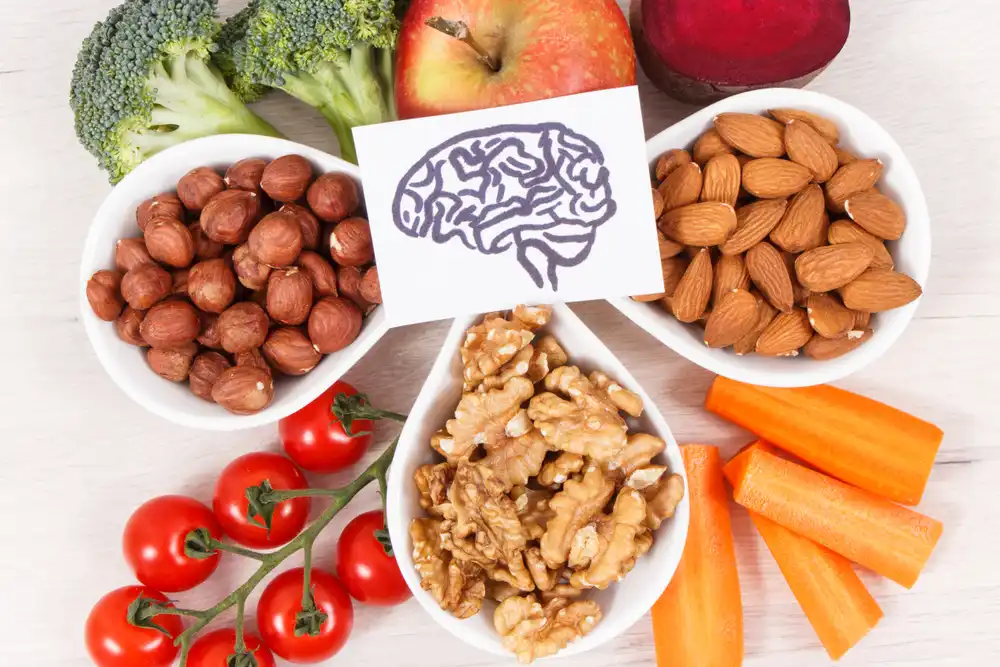
For many people diagnosed with Parkinson’s, medication becomes the primary focus of care. And in many cases, it plays an important role in managing symptoms. But over time, a common question comes up: Is there anything else I can do to support my brain? Because while medication can help regulate certain symptoms, it does not […]
Functional Medicine and Parkinson’s: A Comprehensive Approach to Healing
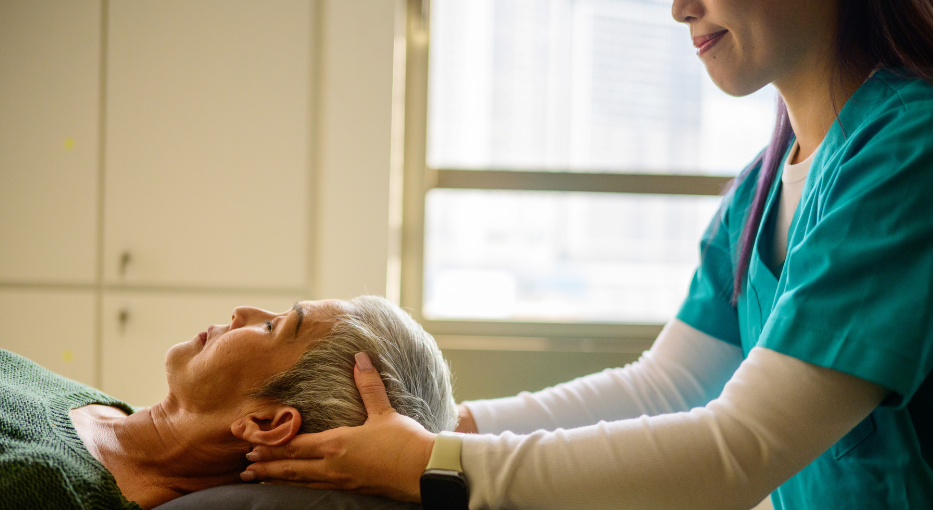
When most people think about Parkinson’s care, they think about managing symptoms. Medications to support dopamine levels. Adjustments to reduce tremors or stiffness. Strategies to help with daily function. And while those approaches can be helpful, they often focus on what is happening on the surface. Which leads to a bigger question: What is happening […]
Personalized Testing for Parkinson’s: What It Reveals About Your Unique Biology

When most people are diagnosed with Parkinson’s, the conversation focuses on symptoms. Tremors. Stiffness. Slowed movement. From there, treatment often centers on managing those symptoms, usually with medication designed to support dopamine levels. But that raises a different question: What is actually driving those symptoms in your body? Because Parkinson’s does not develop the same […]
Why Standard Neurology Misses the Root Causes of Parkinson’s

For many people diagnosed with Parkinson’s, the journey through conventional care follows a familiar path. You notice symptoms. You receive a diagnosis. You’re prescribed medication to help manage those symptoms. And for a time, it works. But eventually, many patients begin to ask a deeper question: Why is this happening in the first place? That […]
Inflammation and the Brain: The Hidden Trigger Behind Parkinson’s Symptoms

When most people think about Parkinson’s, they think about dopamine. Tremors. Stiffness. Slowed movement. These symptoms are often linked to the loss of dopamine-producing cells in the brain. But that raises an important question: Why are those cells being damaged in the first place? For many patients, one of the biggest and most overlooked drivers […]
Regenerative Therapies for Parkinson’s: How They Support Brain Repair

For decades, Parkinson’s care has centered around one primary goal: managing symptoms. Medications can help for a time. Procedures may improve certain functions. But many patients eventually find themselves asking a deeper question: Is there anything that actually supports the brain itself? This is where regenerative therapies are changing the conversation. Rather than focusing only […]
Heavy Metals and Parkinson’s: How Toxins Impact the Brain (and What You Can Do)
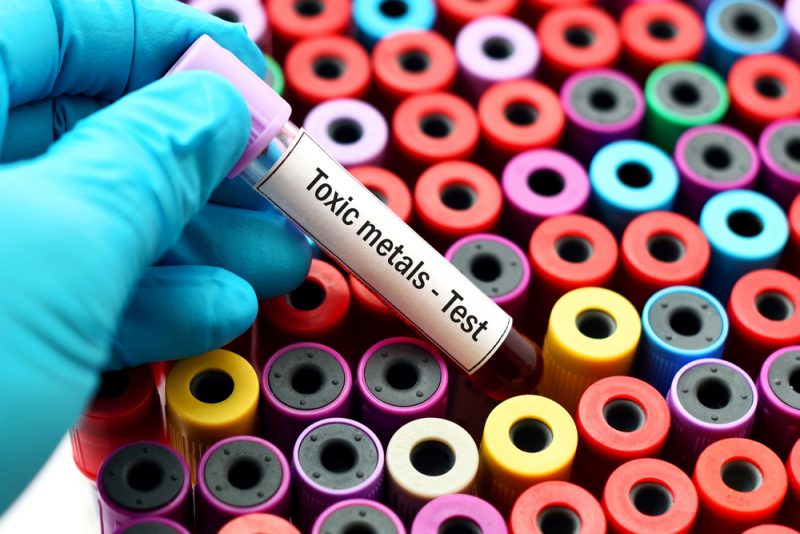
Parkinson’s disease is often discussed in terms of genetics and aging, but growing research continues to explore another important factor: environmental exposure. For many patients, neurological health is influenced not only by internal biology but also by the world around them. Heavy metals and environmental toxins are increasingly recognized as potential contributors to neurological stress […]
What Conventional Testing Misses About Parkinson’s Disease

Parkinson’s disease is often associated with visible motor symptoms such as tremors, stiffness, or slowed movement.
What Dr. Greg Eckel Wants Every Parkinson’s Patient to Know

A Parkinson’s diagnosis can raise more questions than answers. Many patients wonder what caused their condition, what to expect moving forward, and whether anything beyond medication can truly make a difference.
The Eckel Protocol®: A New Path to Hope for Parkinson’s Patients
Living with Parkinson’s can feel overwhelming, especially when treatment options seem narrow or incomplete. Many patients are told that symptoms will simply progress over time, leaving them feeling frustrated, uncertain, and unsure of where to turn next.